 CategoriesHot Products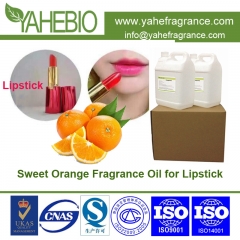
Food grade; Pure and Nature sweet orange flavor profile; Hight quality and favorable factory price. Dosage for lipstick: 0.5-3%.
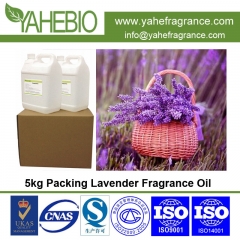
Long lasting; 16 years manufacturer of flavor and fragrance with ISO9001, ISO14001, ISO22000 Certificates; Pure and natural lavender profile; Hight quality and favorable factory price. Dosage for laundry: 0.2-0.5%
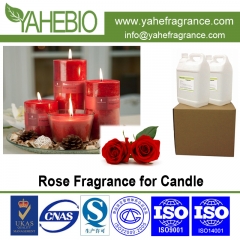
Natural and pure rose aroma, special used in candle application
Strong green tea aroma profile, used in candle application.
tagsCustom scent formulations from fragrance oil manufacturers give brand owners a strong tool. These custom scents bring uniqueness, performance, and brand differentiation for specific products. This service covers Fragrance oil for Laundry, Rose in Rain Micro Fragrance Oil, and Aromatic Herb Micro Fragrance Oil. Yahebio offers tailored solutions and expert technical support for these categories. Each formulation is improved for its specific use to ensure the best performance and lasting power. Brand owners gain a clear competitive advantage with custom scents that build a strong brand identity. They solve common problems like scent longevity and compatibility with product bases. Manufacturers work closely with brands to capture the exact scent profile they want.
Custom scents help your brand stand out and bring customers back.
Micro-encapsulation keeps scents safe and lets them go when needed.
Pick the best smell type that matches what customers like.
Private label options allow you to begin with small orders and expand later.
Yahebio gives complete help with safety papers and technical support.
Custom fragrance oil for laundry lets brands control how a product smells during the wash and how that scent stays on fabric afterward. A concentrated fragrance oil leaves a scent on fabrics for days, and a small bottle lasts for many loads. This makes the approach affordable for formulators. Custom formulations also help brands stay away from phthalates, artificial dyes, and coating residues. These oils work for sensitive skin when a brand pairs them with an unscented detergent base. They also cut down on packaging waste compared to single-use dryer sheets or plastic softener jugs, and many break down naturally. Unlike fabric softeners, fragrance oils do not leave residues that lower towel absorbency or activewear breathability.
Compatibility with the laundry base is the first technical hurdle. Manufacturers test the fragrance inside the actual detergent, powder, conditioner, or booster. Surfactant type, pH, enzymes, solvents, preservatives, water content, and packaging all change odor, clarity, color, and stability. A balanced fragrance structure mixes volatile top notes like citrus or green for quick freshness with longer-lasting heart and base materials. This keeps a recognizable dry-fabric signature. Better deposition on fabric depends on fiber type, conditioner system, dosage, and the desired after-dry profile.
Microencapsulated fragrance protects selected materials and releases them through friction or movement. Product format matters too: liquid detergent, powder, softener, and sprays each need a tailored approach. Practical performance testing includes control and dosage variants, accelerated and real-time storage checks, standardized wash loads, and assessment by a trained panel. Dosage optimization uses the lowest level that achieves the required consumer experience while keeping stability and cost efficiency.
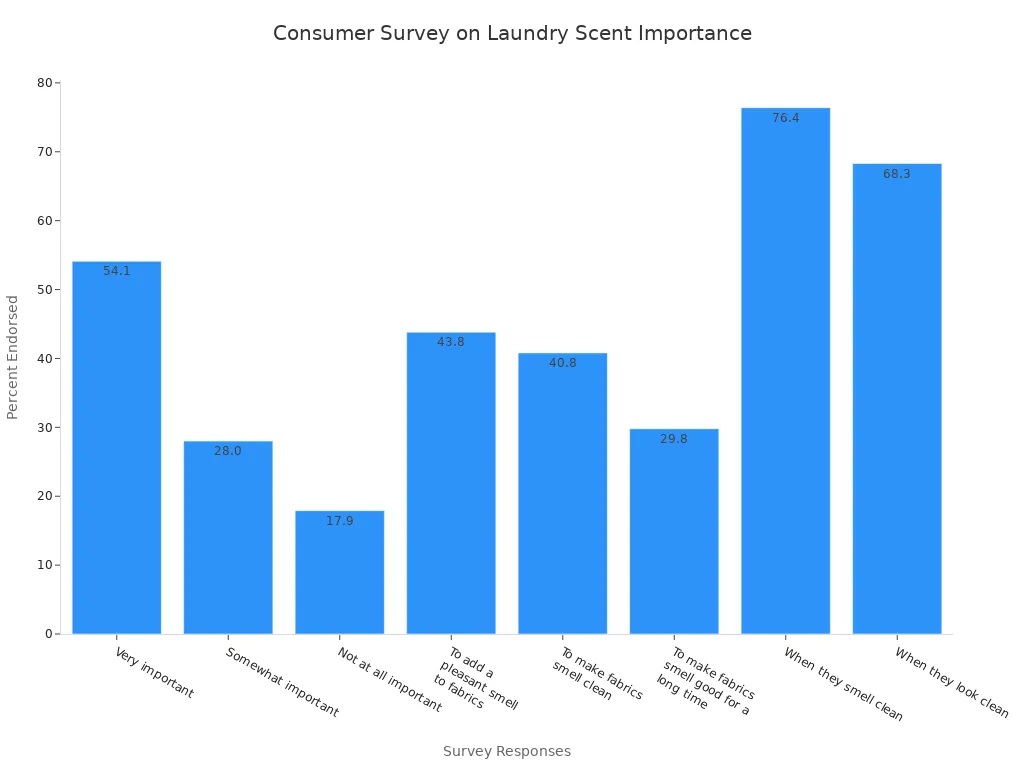
Scent drives repeat purchase decisions in laundry care. In a survey of 1,722 laundry product users, 54.1% said scent was very important and 28.0% said it was somewhat important. Among 1,759 consumers, 76.4% said smelling clean signaled a job well done, and 36.4% would re-wash clothes that did not smell clean. A separate study found that 40.4% of users prefer "a lot" or "a whole lot" of scent. The "scent seeking" segment is large across Europe: UK (57%), France (39%), Germany (39%), and Italy (64%). More than one-third (35.9%) of surveyed consumers claimed an emotional connection to household product scents. Familiar scents left consumers feeling calm (66.2%), happy (49.3%), and comforted (46.7%).
|
Survey Question |
Product Category |
Response |
Percent Endorsed |
|---|---|---|---|
|
Importance of scent in product |
Laundry (N=1722) |
Very important |
54.1% |
|
Importance of scent in product |
Laundry (N=1722) |
Somewhat important |
28.0% |
|
Importance of scent in product |
Laundry (N=1722) |
Not at all important |
17.9% |
|
Main purpose of scent |
Laundry (N=1580) |
To add a pleasant smell to fabrics |
43.8% |
|
Main purpose of scent |
Laundry (N=1580) |
To make fabrics smell clean |
40.8% |
|
Main purpose of scent |
Laundry (N=1580) |
To make fabrics smell good for a long time |
29.8% |
|
Signal of job well done |
Washing clothes (N=1759) |
When they smell clean |
76.4% |
|
Signal of job well done |
Washing clothes (N=1759) |
When they look clean |
68.3% |
|
Decision to re-wash |
Washed clothes don't smell clean (N=1759) |
Yes, would re-wash |
36.4% |
Distinct fragrance profiling works as a strategic differentiation lever in a category defined by functional similarity. Olfactory innovation lets product lines build identity through signature notes such as botanical blends, spa-inspired accords, or seasonal compositions. Emotional association with fragrance memory increases brand recall and supports repeat purchase frequency. Floral scents are projected to hold a 34% revenue share in 2026. Lavender is expected to see the fastest growth from 2026 to 2033, driven by aromatherapy-linked relaxation benefits. Yahebio helps brands differentiate their laundry products with unique scents that match these consumer preferences.
Rose in Rain Micro Fragrance Oil creates a clear scent picture. It mixes fresh rose petals with cool, watery air and a touch of green stems. This scent feels clean and romantic at the same time. Custom formulation lets a brand adjust each part of that picture. A perfumer can bring the rose note forward for a classic floral feel. They can also raise the watery and green notes for a lighter, modern effect. The goal is a scent that smells like a certain moment, not just a generic floral. Yahebio works with brands to tweak top, heart, and base notes until the profile fits the brief. This precision matters because rose-in-rain is a familiar idea. Consumers know how it should smell. A close match builds trust and makes the product feel real. A poor match feels fake and weak. Custom blending also lets a brand avoid a common problem. Many rose fragrances turn heavy or soapy over time. A skilled formulator balances the fresh notes with the floral core to keep the scent true from the bottle to the dry fabric.
Micro-encapsulation fixes a major stability problem for rose fragrances. Rose notes hold delicate materials that fade or change during high-heat laundry cycles. Microcapsules keep these active ingredients away from outside factors. This stops oxidation, volatilization, and degradation. Thermoresponsive polymer walls, such as PNIPAM, allow controlled release at high temperatures like dryer heat. The fragrance stays protected until the right moment. This technology cuts the amount of costly rose oil needed by over 30% while keeping sensory performance. The result is better stability and lower cost.
1-Phenylethanol and 2-phenylethanol, the major rose-like fragrance components, suffer from high volatility and thermal instability. Encapsulation with β-cyclodextrin forms inclusion complexes that greatly enhance their stability and achieve controlled release. This makes β-CD complexation a promising method to protect rose fragrances during high-temperature processes, such as laundry cycles.
Niche markets need this kind of performance. A boutique detergent brand or a luxury fabric spray cannot afford a scent that vanishes in the wash. Rose in Rain Micro Fragrance Oil meets that need with a stable, long-lasting profile. Each manufacturer has its own single-note blend, so performance and scent profile differ across suppliers. One supplier may focus on a dewy rose, while another leans toward a powdery or citrus-tinged version. Brands should test samples from several sources before committing. Yahebio helps brands compare these variations and pick the blend that fits their product best. This careful selection process shields the brand from surprises in large-scale production.
Custom blends for Aromatic Herb Micro Fragrance Oil help brands create exact herbal scents. A perfumer mixes lavender, rosemary, thyme, or sage to build a clear scent picture. Each herb has its own special character. Lavender gives a calming floral-herbal note. Rosemary adds a sharp, pine-like freshness. Thyme brings an earthy warmth. Basil adds a sweet, peppery lift. The hard part is balancing these ingredients. Too much of one note covers up the others. A skilled formulator changes the ratios until the blend reaches the target profile. The result is a scent that feels real and familiar, not generic or fake.
Therapeutic properties add another layer of value. Lavender helps with relaxation and sleep. Rosemary supports focus and memory. Peppermint refreshes and clears the mind. Micro-encapsulation protects these volatile aromatic compounds. The technology keeps the active ingredients stable until use.
Consumers get the full benefit when they use the product. This matters for laundry detergents, fabric sprays, and personal care items. Aromatherapy-linked benefits drive what consumers prefer. Lavender, for example, shows the fastest projected growth from 2026 to 2033 because of its relaxation ties.
Essential oils serve as natural sources of fragrance compounds in these formulations. They provide authentic herbal notes that synthetic alternatives cannot fully copy. Yahebio sources high-quality essential oils and combines them with micro-encapsulation technology. This approach keeps the natural character of each herb while improving stability and longevity.
Cross-batch consistency is critical for commercial products. A brand cannot launch a lavender-scented detergent if batch two smells different from batch one. Custom formulations from Yahebio include strict quality control protocols. Each batch goes through sensory and stability testing. Gas chromatography checks the chemical profile. A trained panel confirms the olfactory match. The result is a reliable scent profile that matches the original brief every time. This care protects the brand's reputation and prevents costly reformulation work.
Practical applications span multiple categories. Fragrance oil for Laundry benefits from herb-based scents that stay on fabric without being too strong. Aromatic Herb Micro Fragrance Oil works well in liquid detergents, fabric softeners, and scent boosters. Personal care products like body washes and lotions also use these blends. Home care items such as room sprays and candles carry herbal notes effectively. The same micro-encapsulation that protects Rose in Rain Micro Fragrance Oil during high-heat cycles also shields herb notes from breaking down. This makes the technology suitable across product types. Yahebio helps brands select the right encapsulant and dosage for each application. The company provides formulation guidance, stability data, and safety documentation. This technical support ensures performance from bottle to final use.
Private label programs give brands an easy way to go from ready-made scents to fully custom blends. A brand can pick an existing fragrance option and put its own label on it. This white label route usually needs 200 to 500 units. A brand can also ask for a custom OEM run with its own unique scent profile. These runs usually start at 500 to 2,000 units. Mid-sized manufacturers build their business by serving brands that larger facilities turn away. Big manufacturers aim for institutional runs of tens of thousands of units. Better mid-size manufacturers set up their production lines to handle smaller orders, like around 300 units, without raising the unit cost.
|
Order Type |
Typical Minimum Order Quantity (units) |
|---|---|
|
White label |
200–500 |
|
Custom OEM runs |
500–2,000 |
|
Institutional/hard minimum (to avoid) |
10,000 |
A reputable private label fragrance manufacturer in USA will clearly outline: Minimum order quantities by product type; Sampling and development costs; Production and fulfillment timelines.
Essential oils act as natural fragrance sources in custom blends. Lavender, rosemary, and citrus oils bring real notes that synthetic alternatives cannot fully copy. Yahebio mixes these natural sources with encapsulation technology for Fragrance oil for Laundry projects. This method keeps the natural character of each oil while making it more stable and long-lasting.
Manufacturers like yahebio give technical support to meet performance and safety standards. Every formula comes with full paperwork and regulatory compliance. An IFRA certificate confirms the right use level for the final application category. An SDS or MSDS gives safety and handling information. An allergen list helps with labeling and regulatory review. A COA or batch document helps with quality control and supply chain management. A recommended usage rate guides correct dosing for the intended product.
|
Technical Document / Support |
Purpose for Custom Scent Formulation |
|---|---|
|
IFRA certificate |
Confirms suitable use level for the final application category |
|
SDS / MSDS |
Provides safety and handling information |
|
Allergen list / declaration |
Supports labeling and regulatory review |
|
COA / batch documents |
Supports quality control and supply chain management |
|
Recommended usage rate |
Guides correct dosing for the intended product |
|
Application-specific technical support |
Confirms skin-contact suitability based on product type, dosage, and target market |
|
Custom fragrance development services |
Sample selection, custom adjustment, and benchmark-inspired fragrance development |
Yahebio also offers custom fragrance design services, a Knowledge Center with dosage calculators and IFRA guidance, and extra services such as bespoke scent creation, custom blending and filling, fragrance encapsulation, dry powder fragrance, water-soluble formats, and HVAC scent systems.
Custom scent blends let brands control how long a smell lasts, make special scents like rose in rain, and keep herb notes the same every time. Laundry fragrance oil works well with blends that stay on fabric and work with soap bases. Rose in Rain Micro Fragrance Oil creates a fresh flower scent with better staying power. Aromatic Herb Micro Fragrance Oil gives steady herb smells from one batch to the next.
Yahebio helps with custom scent creation by giving technical advice and safety papers. Brands get unique smells, good performance, and a clear advantage in the market. They should think about yahebio for their next custom fragrance project.
Custom formulations fit a specific product base and brand goal. A manufacturer adjusts top, heart, and base notes for the intended use. This process improves scent longevity, compatibility, and uniqueness. Standard oils may not work well in every detergent or softener system. Yahebio tailors each blend to the client's brief.
Micro-encapsulation shields delicate rose materials from heat and oxidation. Thermoresponsive walls release the scent at the right moment, such as dryer heat. This technology cuts costly rose oil needs by over 30% while keeping sensory performance. The result is a stable, long-lasting floral profile for laundry and other applications.
Yes. Blends with lavender, rosemary, or peppermint carry aromatherapy-linked properties. Lavender supports relaxation, while rosemary aids focus. Micro-encapsulation keeps these volatile compounds stable until use. Yahebio sources quality essential oils and combines them with encapsulation for consistent herbal notes across batches.
Yahebio provides an IFRA certificate, SDS or MSDS, allergen list, COA or batch documents, and a recommended usage rate. These papers confirm safe use levels, handling information, and quality control. They help brands meet regulatory standards and manage supply chains. Application-specific support confirms skin-contact suitability.
White label options typically start at 200 to 500 units. Custom OEM runs usually begin at 500 to 2,000 units. Mid-sized manufacturers serve smaller brands that larger facilities turn away. Yahebio offers flexible order sizes without raising unit costs for Fragrance oil for Laundry projects.






 ONLINE
 13923210784
