
 CategoriesHot Products

Food grade; Pure and Nature sweet orange flavor profile; Hight quality and favorable factory price. Dosage for lipstick: 0.5-3%.
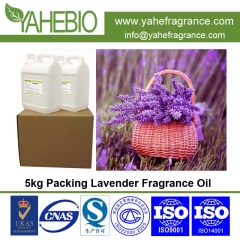
Long lasting; 16 years manufacturer of flavor and fragrance with ISO9001, ISO14001, ISO22000 Certificates; Pure and natural lavender profile; Hight quality and favorable factory price. Dosage for laundry: 0.2-0.5%
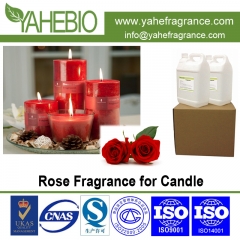
Natural and pure rose aroma, special used in candle application
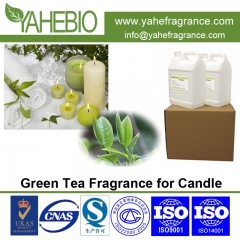
Strong green tea aroma profile, used in candle application.
tags
These concentrated tools give you control over the final character of a bake. A specialty supplier such as Yahebio offers options like artificial peanut oil flavor for milk, alongside technical guidance on dosage and stability. Choosing the right bakery flavor starts with understanding the available forms and how each one behaves in your process.
Bakery flavors are strong additives that boost taste and aroma in baked goods.
Liquid flavors work well in fillings and icings; spray dried flavors suit dry mixes and withstand heat.
You can add flavors to many baked goods, from cookies to breads, to improve taste and freshness.
Popular flavors include vanilla, strawberry, chocolate, and more; suppliers can customize profiles for your recipe.
Test new flavors in small batches and ask suppliers for dosage and stability guidance.
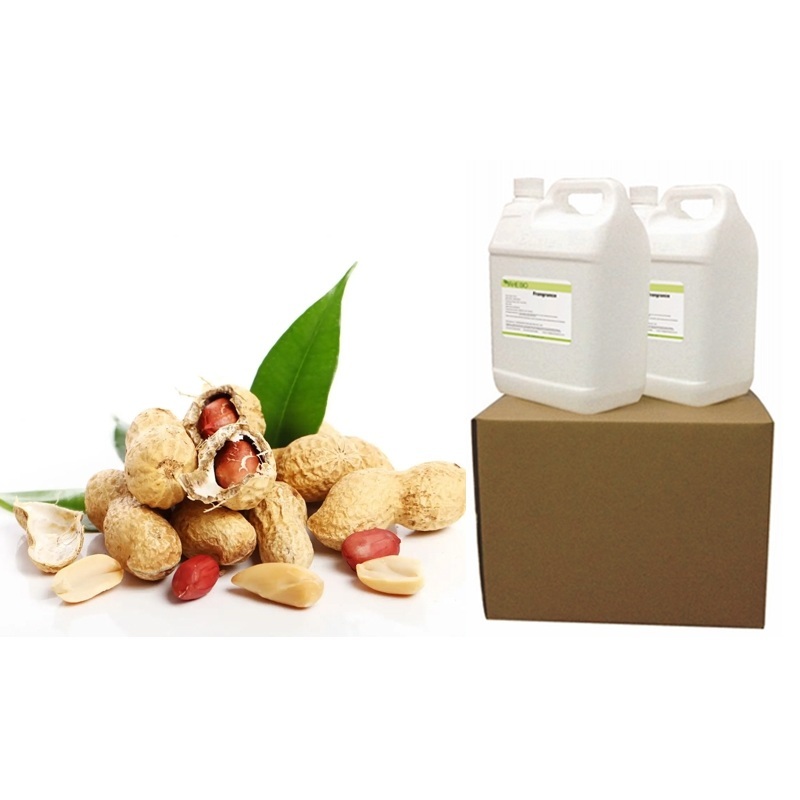
Baking flavors come in two distinct forms: liquid and spray dried. Each form suits different stages of your process. Understanding the difference helps you pick the right bakery flavor for batters, fillings, icings, and dry mixes.
Liquid flavors include extracts, essences, and emulsions. Extracts are alcohol-based solutions that carry the soluble parts of a flavor source, such as vanilla beans or citrus peel. You measure them by volume and stir them directly into wet ingredients. Extracts work well in batters, custards, and fillings where the water content is already high. Essences are similar but often more concentrated and sometimes oil-based. They shine in icings and glazes where you want a bright top note without adding extra liquid. Emulsions blend flavor oils with water and a stabilizer, so the flavor disperses evenly through a batter. Use emulsions in cakes, cookies, and frostings when you need the flavor to survive the oven and stay uniform from bite to bite. Yahebio supplies liquid flavor options across these categories, and the company can advise on which type fits your recipe.
Spray dried flavors arrive as a fine powder. Manufacturers encapsulate the flavor in a carrier, then dry it into particles that flow freely and dissolve readily. This powder format suits dry mixes, such as scone bases, muffin blends, and cookie premixes, because it blends evenly with flour and sugar without clumping. Spray dried flavors also handle heat exposure well. The encapsulation shields the volatile compounds during baking, so more of the aroma reaches the finished product. That makes them a strong choice for breads, crackers, and savory baked goods that spend longer in the oven. Liquid forms still lead in fillings and icings where you want an immediate, vivid release. The two forms are partners, not rivals. Many bakeries keep both on hand and match the form to the application. Yahebio offers spray dried options alongside its liquid range, giving you one source for both.
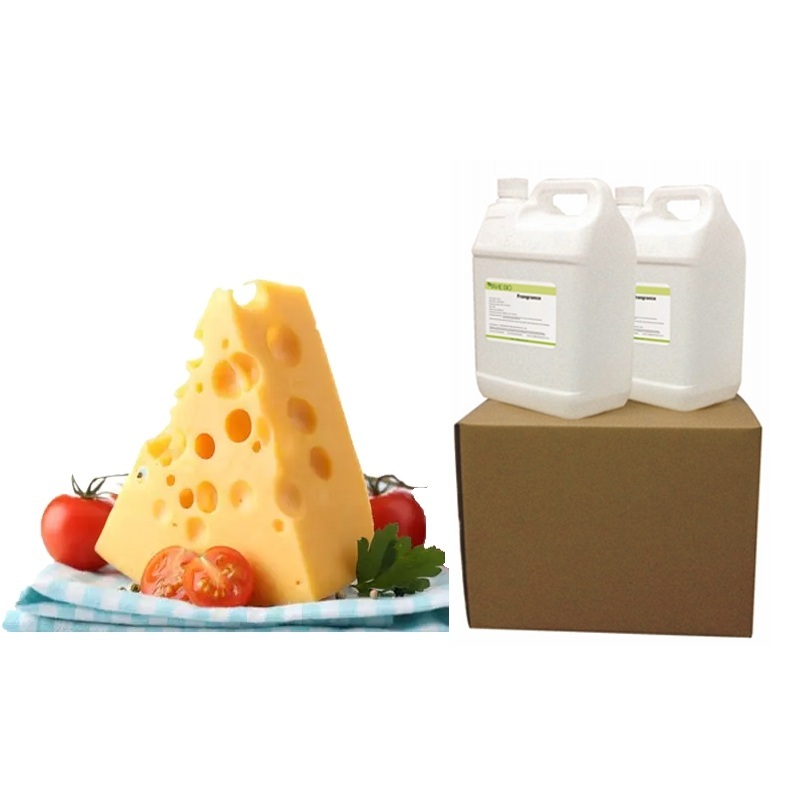
You can add bakery flavor to almost every baked good in your production line. Cookies, bars, and brownies take flavors well in the dough itself. Cakes and cupcakes benefit from flavor in both the batter and the frosting. Muffins, scones, and quick breads carry flavors evenly through a tender crumb. Fillings and icings give you a second chance to reinforce the profile. Doughs and pastry rely on flavors that survive lamination and long proofing. Savory baked goods use a different palette, including cheese, herb, and roasted notes. A sweet example is artificial peanut oil flavor for milk, which brings a warm, nutty character to custards, cream fillings, and dessert bars.
Stale cake is a common complaint in any bakery. The crumb dries, the aroma fades, and customers read the cake as old. Proper flavor use helps here. A well-dosed flavor keeps the aroma strong from the first bite, and that aroma drives perceived freshness. Combining a base note with a brighter top note adds complexity, so the cake tastes layered rather than flat. You can also pair a spray dried flavor in the batter with a liquid flavor in the icing. The two release at different moments, and the cake stays interesting as you eat it.
Heat is the main threat to any flavor system. Volatile compounds evaporate in the oven, and the profile you measured in the raw batter may not match the finished crumb. Flavor manufacturers like Yahebio test flavors for bake stability, so you know how much aroma survives your process. Yahebio also supports customization. You can request a profile tuned to your recipe, your sugar level, and your target cost. The company supplies documentation as well, including a Halal certificate from a manufacturer, which helps you meet labeling and market requirements. Yahebio also offers cheese concentrated flavor options for savory lines, so one supplier can cover both sides of your catalog.
Stability testing usually compares the raw batter against the baked product. Ask your supplier for guidance on dosage ranges and on where to add the flavor in the mixing sequence. Small changes in timing can shift the final result. A flavor added late in mixing may lose less aroma than one added at the start. Customization also covers form. You can choose liquid for fillings and spray dried for dry mixes, and the supplier can match the concentration across both. That consistency keeps your recipes stable when you scale up.
Vanilla ranks as one of the most commonly used baking flavors and remains a top trend. Its warm, creamy character supports cakes, cookies, custards, and frostings without overpowering other ingredients. Strawberry brings a bright, fruity note that suits cupcakes, fillings, and shortbread. Chocolate delivers deep, roasted richness for brownies, layer cakes, and cookies. Raspberry adds a tart edge that balances sweet icings and cream fillings. Apple offers a mellow, spiced warmth for muffins, scones, and quick breads. Orange contributes a fresh citrus lift to pound cakes, glazes, and biscotti. Cherry gives a sweet, jammy depth to pies, tarts, and dessert bars. Blueberry carries a soft, fruity profile for muffins, pancakes, and loaf cakes. Butterscotch supplies a caramel-like sweetness for cookies, blondies, and frostings.
Yahebio works with bakers on these profiles and can tune each one to your recipe. A bakery flavor performs best when the profile matches the base, the sugar level, and the bake time. Yahebio's team can advise on dosage and on combining a fruit top note with a creamy base note for a layered result.
The catalog reaches well beyond this core list. You can explore maple, coconut, lemon, cinnamon, almond, mint, coffee, and honey profiles, among many others. Each one opens a new direction for cookies, cakes, and savory lines. Bakers can learn to use and combine different baking flavors through small test batches. Start with one profile, adjust the dose, and note how the aroma holds after baking. Yahebio supports this process with samples and technical guidance, so you can refine a flavor system with confidence.
Flavor selection comes down to nuance. You match the form, the dosage, and the profile to your specific baked good and your process. A liquid flavor may suit your filling, while a spray dried bakery flavor protects aroma in a dry mix.
Specialized suppliers like Yahebio support customization, bake stability testing, and documentation such as a Halal certificate. They also advise on concentrated flavors, including cheese concentrated flavor options. Experiment with small batches, and consult your supplier as you refine your flavor system.
Pick a spray dried flavor for dry mixes. The powder blends evenly with flour and sugar without clumping. Encapsulation also shields volatile compounds during baking, so more aroma reaches the finished product. Keep liquid forms for fillings and icings, where you want an immediate, vivid release.
Heat drives off volatile compounds, so match the flavor to your process. Ask your supplier for bake stability data and dosage guidance. Adding flavor later in the mixing sequence can preserve more aroma. Pairing a spray dried flavor in the batter with a liquid flavor in the icing adds layered release.
Yes. Yahebio supports customization and can tune a profile to your recipe, sugar level, and target cost. The company also supplies documentation, including a Halal certificate from a manufacturer, to help you meet labeling and market requirements. Request samples before you scale up.
Start with a small test batch. Add one profile, adjust the dose, and compare the raw batter against the baked product. Note how the aroma holds after baking. Yahebio offers samples and technical guidance, so you can refine a flavor system with confidence.
Yes. Salt acts as a flavor intensifier. It sharpens the overall profile of a recipe, so a well-dosed flavor reads stronger. Adjust salt alongside your flavor dose, and taste the finished bake rather than the raw batter.






 ONLINE
 13923210784

