
 CategoriesHot Products
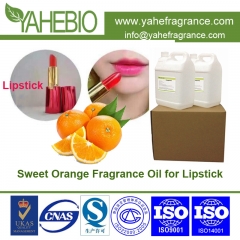
Food grade; Pure and Nature sweet orange flavor profile; Hight quality and favorable factory price. Dosage for lipstick: 0.5-3%.
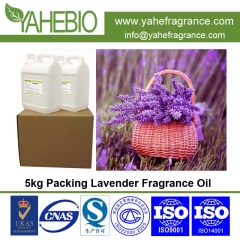
Long lasting; 16 years manufacturer of flavor and fragrance with ISO9001, ISO14001, ISO22000 Certificates; Pure and natural lavender profile; Hight quality and favorable factory price. Dosage for laundry: 0.2-0.5%
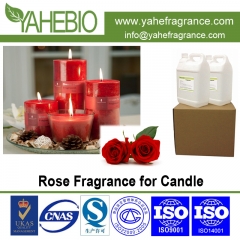
Natural and pure rose aroma, special used in candle application
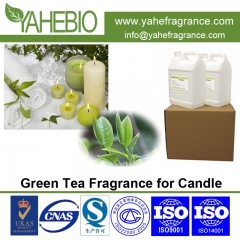
Strong green tea aroma profile, used in candle application.
tags
Always request SDS, COA, and IFRA certificates for every fragrance oil batch.
Test samples from at least two batches to confirm scent and consistency.
Calculate the true cost by adding freight, duties, and testing to the unit price.
Vet suppliers by asking about their experience and red flags.
Use a written checklist to screen every supplier before you order.
Start with paperwork. The Safety Data Sheet (SDS) tells you how to handle, store, and transport the oil safely. The Certificate of Analysis (COA) confirms what the batch actually contains and ties the shipment to a tested specification. The IFRA certificate comes from the International Fragrance Association and sets usage limits for each fragrance across product categories, including fine fragrance.
Ask for all three documents for every oil you consider, not just the first order. A supplier who issues IFRA documentation for each Fragrance Oil for Perfume shipment gives you greater assurance of safety and compliance. You can then confirm that the recommended usage level matches your formula and your target market. Yahebio provides full documentation with each order, which lets you file certificates alongside your batch records from day one.
In the United States, the FDA oversees cosmetics, and the Modernization of Cosmetics Regulation Act (MoCRA) strengthened its requirements. MoCRA places facility registration, product listing, and adverse-event reporting duties on the brand that markets the finished perfume. Your fragrance oil supplier supports those duties by supplying accurate documentation and consistent formulations.
Build a simple file for each oil. Keep the SDS, COA, and IFRA certificate together, and record the version and date of each document. Review the file at every reorder. This habit keeps your records current and makes an audit or a retailer request far easier to handle.
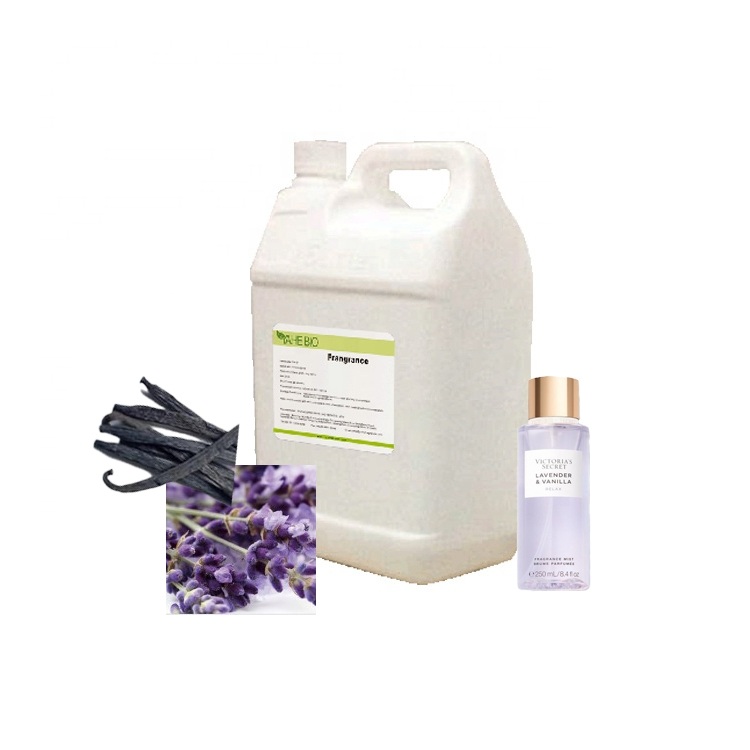
Essential oils and fragrance oils are not the same product. An essential oil is a pure, single-ingredient extract from one plant material. A fragrance oil is a blended aromatic compound, and a perfume-grade oil is composed by a professional perfumer to deliver a defined scent story. Perfume-grade oils must also work with your chosen base, whether that is alcohol or a carrier oil. Confirm the category before you compare anything else.
Assess concentration first. A higher concentration of aromatic compounds generally supports a richer, longer-lasting result, and the supplier should state the concentration clearly rather than leave you to guess. Purity matters just as much. Ask whether the oil contains diluents, carriers, or fillers that add volume without adding scent value.
Scent structure deserves a structured review. Evaluate the top, heart, and base notes as they unfold over time, and judge whether the progression matches your brand positioning and your target market. A mass-market line and a premium line will accept very different levels of complexity. Request the scent brief or formula description for each Fragrance Oil for Perfume candidate, then compare it against your product concept.
One practical caution applies here. Fragrance oil categories are formulated for specific applications, including candles, soap, diffusers, and perfumes. A candle oil may not perform well on skin, and a soap oil may not hold in an alcohol base. Always specify the perfume category when you request quotes and samples.
Test longevity on your actual base, not on a paper strip alone. Apply the oil at your intended dosage, then track how the scent evolves over hours and how it reads on skin. Stability testing follows the same logic. Observe the finished perfume over time for color shift, separation, or scent drift, and store samples under conditions that resemble your real supply chain.
Batch consistency decides whether your customers get the same product twice. Order samples from at least two production batches and compare them side by side for scent profile, strength, and appearance. Yahebio supplies samples that let you run this comparison before you commit to volume, which turns a subjective judgment into a documented approval step. Record your acceptance criteria for each batch, then hold every reorder to that standard. A supplier who cannot reproduce a batch reliably will cost you far more than a small price difference on the invoice.
The quoted price per kilogram rarely reflects your true landed cost. Add freight, duties, testing, sample rounds, and the labor spent chasing documents. Ask each supplier for a full cost breakdown before you compare quotes side by side.
Minimum order quantity (MOQ) is the smallest volume a supplier will produce or sell in one order. Lead time is the window between your purchase order and delivery. A low MOQ suits a pilot launch or a limited edition, while a high MOQ lowers your per-unit price on a proven bestseller. Match the MOQ to your forecast rather than to the discount. A large MOQ on an unproven scent ties up cash in inventory you may never sell. Confirm lead times in writing, including the time needed for documentation and any custom blending.
Your second order matters as much as your first. A supplier who reformulates between batches forces you to retest, relabel, and sometimes recall. Ask how the supplier controls batch variation and whether the same formula and source materials carry over to reorders. Yahebio supports this check by supplying consistent Fragrance Oil for Perfume batches and documenting each one, so your approval criteria stay valid order after order.
Long-term pricing stability protects your margins. Fragrance costs move with raw material markets, and a supplier who locks pricing for a defined period gives you room to plan. Ask about price review cycles and notice periods for increases. Stock oils from a large catalog fit fast-moving lines with predictable demand. Original Factory Custom Perfume Oil suits brands that need a signature scent and can commit to regular volume. Neither option is inherently cheaper; each fits a different stage of your growth.
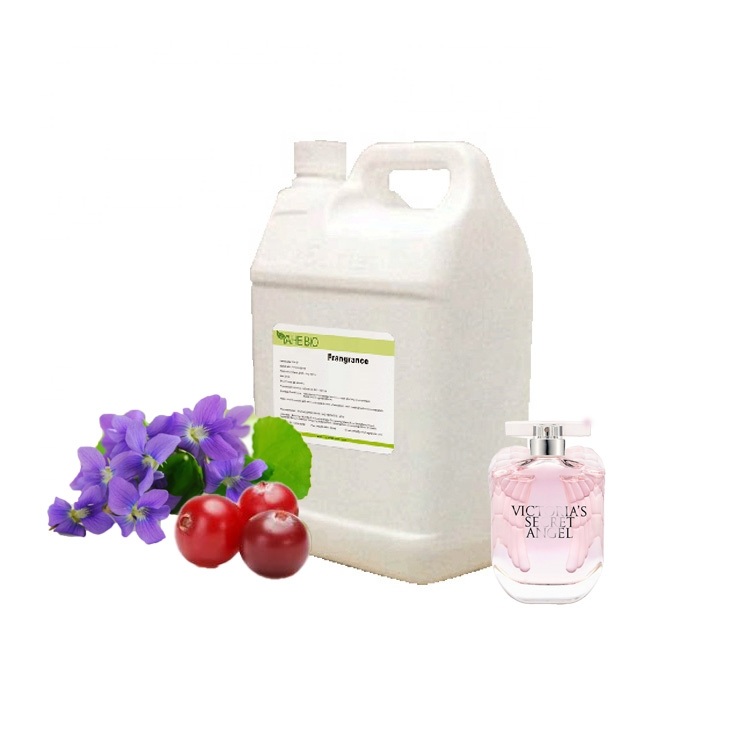
Vet the supplier as carefully as you vet the oil. Ask how long the company has produced perfume-grade materials, which markets it serves, and whether it can name the perfumers behind its catalog. Request the name of a technical contact who answers formulation questions directly. A supplier who routes every question through a sales inbox will slow your development cycle.
Test fragrance oils before you purchase online. Order a sample, apply it to your intended base, and compare the dry-down against the description. Online listings rarely capture scent accuracy, and a photograph tells you nothing about longevity. Treat every web listing as a starting claim, then verify it in your own lab.
Designer-inspired perfume oils deserve the same scrutiny. Do not assume an inspired oil is a cheaper route to a familiar aroma. Judge quality and longevity on your base, at your dosage, and compare the result against your brief. Some inspired oils perform well; others fade quickly or drift from the reference. The sample test settles the question.
Watch for red flags: vague answers about concentration, missing IFRA documents, refusal to share batch samples, and quotes that change after you ask for details.
A clear custom brief shortens development. Describe your target scent family, the base you will use, your price band, and your launch volume. Include reference accords and the notes you want to emphasize. A supplier with in-house perfumery can then propose modifications instead of guessing.
Yahebio offers Original Factory Custom Perfume Oil and Arabic Inspired Perfume Oil as OEM/ODM options. Both routes let you develop a signature scent under your own brand, and both come with the documentation you need for compliance files. Request a sample round against your brief, score each submission on scent accuracy and longevity, and approve the winning formula in writing before you scale.
Turn these checks into a repeatable vendor-approval checklist. Screen every candidate on four fronts: documentation, quality testing, cost transparency, and supplier trustworthiness. Verify concentration, scent structure, longevity, and compliance for each Fragrance Oil for Perfume you consider. These steps protect both product quality and brand reputation.
Request samples, certificates, and custom briefs before you scale any order. Yahebio's Original Factory Custom Perfume Oil services give you a practical way to apply every check under one roof. Build your internal supplier checklist this week, then schedule a sample evaluation with your shortlisted vendors.
Ask for the Safety Data Sheet, the Certificate of Analysis, and the IFRA certificate for each oil and each batch. Keep all three on file and check the version dates at every reorder. Yahebio issues this full documentation set with each Fragrance Oil for Perfume shipment, which simplifies your compliance records.
Check the supplier's stated application category before you sample. Perfume-grade oils are blended for skin and for alcohol or carrier-oil bases. Request a sample, apply it to your intended base, and judge the dry-down. A candle or soap oil may not perform the same way on skin.
Test samples from at least two production batches. Compare scent profile, strength, and appearance side by side, then score each against written acceptance criteria. This step reveals batch consistency before you commit to volume. Document the results and hold every reorder to the same standard.
Describe your scent family, your base, your price band, and your launch volume. Add reference accords and the notes you want to emphasize. Yahebio's Original Factory Custom Perfume Oil and Arabic Inspired Perfume Oil programs let you develop a signature scent under your own brand with matching documentation.
No. Judge an inspired oil on your base, at your dosage, and against your brief. Some perform well and hold their character; others fade quickly or drift from the reference. The sample test settles the question, and quality plus longevity matter more than the label.






 ONLINE
 13923210784

