 CategoriesHot Products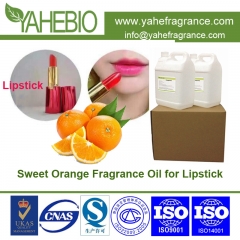
Food grade; Pure and Nature sweet orange flavor profile; Hight quality and favorable factory price. Dosage for lipstick: 0.5-3%.
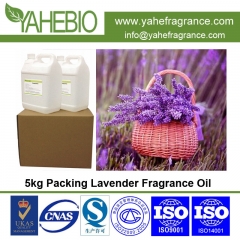
Long lasting; 16 years manufacturer of flavor and fragrance with ISO9001, ISO14001, ISO22000 Certificates; Pure and natural lavender profile; Hight quality and favorable factory price. Dosage for laundry: 0.2-0.5%
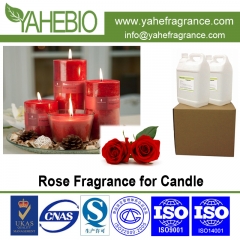
Natural and pure rose aroma, special used in candle application
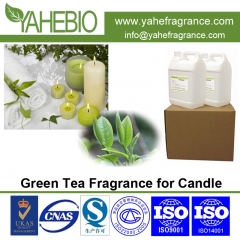
Strong green tea aroma profile, used in candle application.
tagsYou finally found the perfect lavender scent for your laundry scent beads. Yet every supplier you contact says they cannot replicate that long-lasting freshness. Generic manufacturers lack the expertise to stabilize a Fragrance oil for Laundry in high-heat conditions. You have a specific scent in mind, but they cannot match your requirements. This frustration is real—but solvable. This guide walks you through each step to secure a custom fragrance oil manufacturer that delivers quality and compliance.
Define your fragrance needs and product constraints before contacting manufacturers.
Check certifications like IFRA and REACH to ensure safety and compliance.
Research suppliers through directories, trade shows, and industry referrals.
Test samples for stability in heat, moisture, and laundry conditions.
Negotiate terms and establish quality control for a successful partnership.
You start with the scent family. Lavender and ylang-ylang are strong choices for laundry products. Consumer data shows shoppers across Asia expect scents that last long after washing. In Thailand, laundry fragrance acts as a personal signature. In India, many buyers pay extra for lingering scents. Lavender appears in concepts like "Purple Lover," a blend of pear, lavender, and orange blossom over patchouli and musk. Ylang-ylang shows up in floral and botanical interpretations with green jasmine and rice flower accents. Your target market shapes this choice. A skin-friendly, natural positioning in markets like Indonesia favors gentle floral notes. Pick a direction that matches both your brand and your buyer.
A fragrance oil for Laundry must survive harsh conditions. Laundry contensate beads face specific technical hurdles. The carrier can absorb too much moisture during storage. Particles may fuse together in humid warehouses. Fragrance can migrate into the bottle or cap liner. Poor bead dissolution in cold or short wash cycles ruins performance. Colorant transfer onto pale textiles creates complaints. Fragrance may evaporate through inadequate packaging. Your oil needs controlled volatility, carrier compatibility, low discoloration risk, and enough middle-to-base notes to remain detectable after rinsing.
The best fragrance oils for scent booster beads are stable, low-residue compositions matched to the bead carrier, dissolution profile, packaging, intended use level, and dry-fabric target, with enough substantive middle and base notes to survive rinsing without creating excessive oiliness, discoloration, oxidation, or overpowering package odor.
Professional suppliers often provide detailed technical datasheets. These documents list stability data and compatibility information. Ask for them early. They save you months of trial and error.
Your order volume shapes every conversation with a manufacturer. Small brands often start with low minimum order quantities. Large brands need scalable production. Both paths require honest budget planning. A cheap Fragrance oil for Laundry often costs more over time. Weak concentration forces you to use higher dosage rates. Inconsistent batches create rework and recalls. A value engineering approach changes this math. A more concentrated oil may cost more per kilogram upfront. Yet it lowers usage rates and avoids formulation problems across the product lifecycle.
|
Aspect |
Short-Term Savings Approach |
Long-Term Value Approach |
|---|---|---|
|
Initial Cost |
Lowest per-kilogram price, multiple less-vetted suppliers |
Unit price weighed with performance and dosage efficiency |
|
Quality Consistency |
Risk of inconsistent batches and recalls |
Rigorous QC and certified raw materials |
|
Regulatory Risk |
Higher risk from incomplete documentation |
Proactive adherence with IFRA certificates and SDS |
|
Brand Reputation |
Vulnerable to negative feedback |
Strengthened trust through consistent products |
You can also consolidate orders into larger shipments. Long-term supplier relationships secure better pricing and flexible MOQs. Suppliers with strong R&D capabilities help you minimize compliance and product integrity risks.
Compliance is not optional for laundry products. IFRA standards govern safe ingredient levels for skin contact. RIFM provides the safety data behind those standards. REACH controls chemical use in European markets. Ask every candidate for current documentation. Request IFRA certificates and safety data sheets before you commit. A supplier with outdated formulations exposes you to allergen labeling and VOC violations. Proactive suppliers monitor regulatory changes continuously. This protects your brand from recalls and negative feedback. Make certification review a standard part of your vetting process.
You can begin your search through online directories. Platforms like Alibaba, Global Sources, and specialized chemical directories list hundreds of suppliers. These directories let you filter by region, certification, and product category. You can compare basic profiles without leaving your desk. However, directory listings rarely show real technical depth. A supplier may claim expertise in a Fragrance oil for Laundry without proving it. You must verify every claim through direct contact and sample requests.
Trade shows offer a different advantage. Events like In-Cosmetics and local home care expos put you face to face with manufacturers. You can smell raw samples, ask technical questions, and judge a supplier's responsiveness in real time. Trade shows also reveal industry trends. You might discover a new lavender fragrance oil for laundry contensate beads concept before it reaches the mass market. The downside is cost and travel time. Choose trade shows when your budget allows and when you need deep supplier evaluation.
Referrals from trusted peers often outperform cold outreach. Talk to formulators, contract manufacturers, and fellow brand owners. Ask them which suppliers deliver consistent quality and meet deadlines. A personal recommendation carries weight because someone else already tested the relationship. You can also join industry associations and online formulator communities. These groups share honest feedback about suppliers who handle custom work well.
Some suppliers earn referrals through reliable iterative sampling and clear documentation. When a peer recommends a manufacturer for a Ylang fragrance oil for laundry contensate beads project, you gain a shortcut past basic vetting. You still need to run your own sample tests and certification checks. Referrals narrow your list to serious candidates. Combine referrals with directory research and trade show contacts. This three-source approach gives you a strong shortlist of manufacturers worth your time.
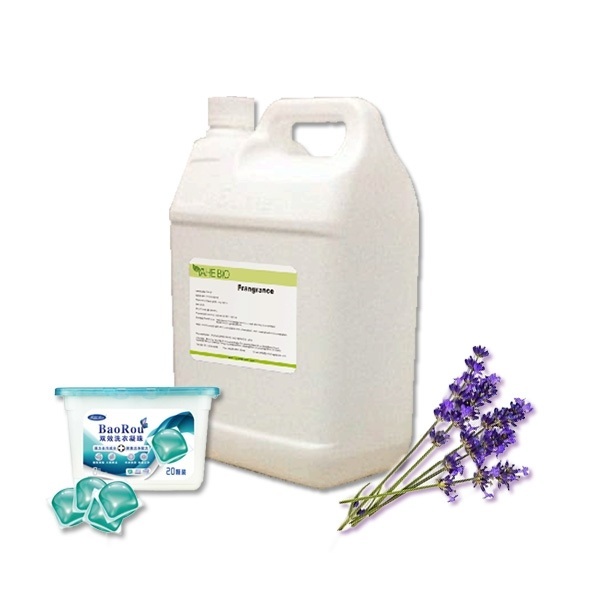
You must specify your exact product base when you request samples. A generic sample tells you nothing about real-world performance. Tell the supplier you need a lavender fragrance oil for laundry contensate beads sample. Mention your carrier material, your target dosage rate, and your packaging type. This detail lets the supplier match the oil to your system. Some suppliers provide tailored samples when you share this information upfront. A sample made for a different base will behave differently in your beads. You waste time and money on false results.
Ask for a technical datasheet with every sample. The sheet should list stability data, compatibility notes, and recommended usage levels. Compare these documents across suppliers. A supplier who cannot provide clear documentation will struggle with your production needs.
You need to test each sample against heat, moisture, and laundry additives. Laundry contensate beads face high temperatures during storage and transport. They also absorb moisture in humid conditions. Other laundry additives can interact with your fragrance and change its character.
Set up a simple test protocol. Monitor color, viscosity, pH, separation, bottle odor, wet-fabric odor, dry-fabric odor, and retention after storage. Use standardized wash conditions for every sample. Record your observations at time zero and at planned intervals.
|
Area |
Typical Observation |
Why It Matters |
|---|---|---|
|
Odor |
Character, strength, off-notes |
Detects oxidation or base interaction |
|
Appearance |
Color, clarity, haze, sediment |
Protects consumer acceptance |
|
Physical Stability |
Separation, precipitation, viscosity |
Shows whether the system remains uniform |
|
Chemical Indicators |
pH and relevant specifications |
Signals formulation change |
|
Packaging |
Leakage, swelling, staining, odor loss |
Checks container compatibility |
|
Performance |
Wash retention, skin feel |
Confirms real application results |
If odor fades only at high heat, review the volatile balance and package barrier. If color changes but odor remains, investigate oxidation or light exposure. These tests reveal whether your Fragrance oil for Laundry will survive real conditions. Accelerated tests screen your options. Confirm final choices with real-time data.
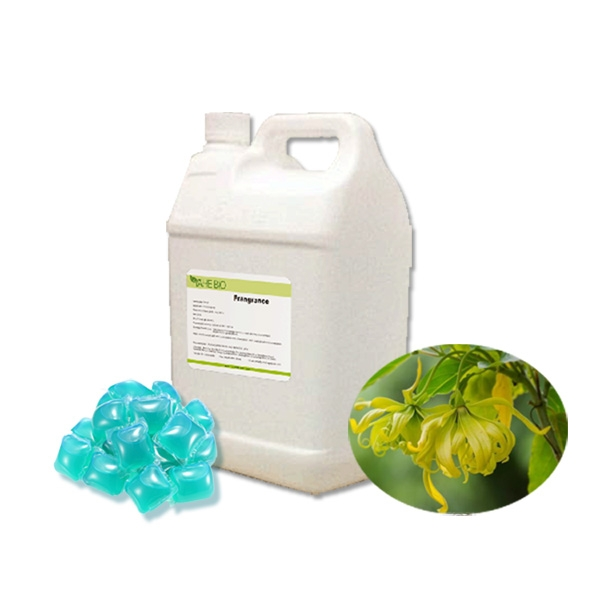
A strong fragrance brief guides your manufacturer toward the exact scent you need. Start with your target: a Ylang fragrance oil for laundry contensate beads. Describe the top, middle, and base notes you want. State your intensity goal clearly. Do you need a subtle freshness or a bold signature? Specify how long the scent must last on dry fabric. Mention your carrier material, dosage rate, and packaging type. These details prevent guesswork.
Include your compliance requirements in the brief. List IFRA limits, allergen restrictions, and any market-specific rules. Add your target cost per kilogram and your expected order volume. A complete brief reduces back-and-forth and speeds up sampling. Some suppliers use detailed briefs to match your vision faster.
Custom formulation is an iterative process. You will review samples and request adjustments. Expect multiple rounds before you reach the final scent. Plan your timeline accordingly.
Communicate your scent goals clearly at every stage. Tell your partner what works and what misses the mark. Use specific language: "the dry-fabric scent fades too quickly" or "the top note feels too sharp." Some suppliers offer iterative sampling with quick turnaround. This partnership model lets you refine your Fragrance oil for Laundry until it meets your exact standard. Clear feedback and fast revisions shorten the path to approval.
Negotiation requires a partnership mindset, not a transactional one. You can secure favorable terms by positioning your brand as a long-term collaborator. Apply these proven strategies:
Start small and offer growth. Request a lower initial MOQ with a firm commitment to reorder upon success.
Request mixed SKUs. Ask the supplier to aggregate different scents within a single MOQ.
Build relationships through transparent communication. Suppliers relax MOQs for brands they trust.
Share your brand story and growth plans. Suppliers bend MOQs for serious, committed partners.
Plan loyalty programs as your brand scales. Negotiate volume discounts or exclusive designs later.
Provide consistent feedback. Quality-focused partnerships generate trust and flexibility over time.
Your contract manufacturer is not a vendor. They are an extension of your brand. Bring them into your strategic circle. They become a growth partner who helps you scale smarter, innovate faster, and build investor trust.
Some suppliers offer batch consistency documentation as part of their standard service. When you negotiate a custom formulation for a Fragrance oil for Laundry, request this documentation upfront. It proves each batch meets your exact specifications and protects your product quality.
Quality control for laundry fragrance oils demands thorough documentation. A professional supplier provides these records:
IFRA Certificate of Conformity covering the exact fragrance code
Documentation for stable batches and repeatable production
Verification of consistency across coating, storage, heated tumbling, cooling, folding, and wardrobe storage
Standardized production procedures and batch controls
Safety Data Sheets and EU Allergen Declarations
When you test a lavender fragrance oil for laundry contensate beads sample, request these documents. They confirm the oil performs reliably across your entire production cycle. A Ylang fragrance oil for laundry contensate beads demands the same rigor. Without batch documentation, you cannot guarantee consistency from one order to the next.
Communication plans prevent costly production gaps. Establish a single point of contact from the start. This person knows your account history and formulation details. Agree on reorder triggers to maintain inventory flow. Use inventory management software to automate reordering when stock hits a pre-defined minimum level. Configure systems to generate purchase orders automatically and send alerts for low-stock SKUs.
Share your demand forecasts with the supplier in advance. This helps them manage their own raw material inventory. Schedule regular business reviews to discuss performance, challenges, and improvement opportunities together. Treat key suppliers as extensions of your business. Share sales data and development plans so they prepare for your needs. This approach builds a partnership that supports consistent growth.
You started with a scent idea. You defined your product constraints, assessed certifications, researched suppliers, tested samples, and negotiated terms. Now you hold a complete brief. Whether you pursue a lavender fragrance oil for laundry contensate beads or a Ylang fragrance oil for laundry contensate beads, you know exactly what to ask. Approach a manufacturer with confidence. They offer iterative sampling and batch consistency documentation. Your Fragrance oil for Laundry project deserves a partner who understands stability and compliance. Request a sample today to test the quality yourself.
You test it. Request a sample matched to your bead carrier and dosage rate. Run stability checks against heat, moisture, and laundry additives. A quality Fragrance oil for Laundry holds its scent through storage and washing. Some suppliers provide technical datasheets that guide your evaluation.
Ask for IFRA certificates, RIFM safety data, and REACH documentation. These prove the oil meets safe ingredient levels for skin contact and complies with regional chemical rules. Outdated formulations expose your brand to allergen labeling issues and recalls. Always verify current documentation before you commit.
Expect multiple sampling rounds for a well-managed project. Clear communication about your lavender fragrance oil for laundry contensate beads or Ylang fragrance oil for laundry contensate beads goals shortens the timeline.
Yes. Many suppliers offer flexible minimum order quantities for startups. You can negotiate a lower initial MOQ with a commitment to reorder. Some manufacturers aggregate different scents within a single MOQ. Build trust through transparent communication and share your growth plans. Suppliers often relax terms for serious partners.
Establish a single point of contact and agree on reorder triggers. Request batch consistency documentation with every order. Use inventory software to automate reordering when stock hits a minimum level. Share demand forecasts in advance. Regular business reviews keep performance on track.






 ONLINE
 13923210784
