
 CategoriesHot Products
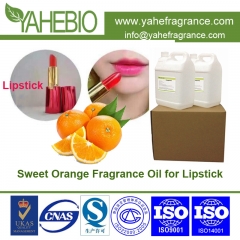
Food grade; Pure and Nature sweet orange flavor profile; Hight quality and favorable factory price. Dosage for lipstick: 0.5-3%.
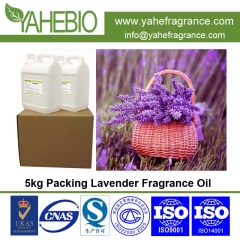
Long lasting; 16 years manufacturer of flavor and fragrance with ISO9001, ISO14001, ISO22000 Certificates; Pure and natural lavender profile; Hight quality and favorable factory price. Dosage for laundry: 0.2-0.5%

Natural and pure rose aroma, special used in candle application
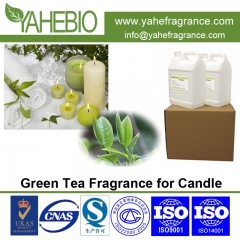
Strong green tea aroma profile, used in candle application.
tags
Oud blends pose unique compliance challenges. Their complex natural composition and potent aroma compounds make safety assessment more demanding than for simpler fragrances. Brands such as Yahebio seek clear, practical pathways. They want to keep their Original Agarwood Fragrance Oil and Saffron Amber Fragrance Oil products compliant. They also want to preserve luxury quality and cost efficiency.
The article provides a step-by-step framework. It covers standards, process, safety, option comparison, and implementation.
Collect complete documents for every fragrance oil to ensure safety and compliance.
Test each new batch and formula change to confirm restricted ingredients stay within limits.
Reformulate blends that exceed limits by adjusting concentrations or switching to compliant alternatives.
Monitor IFRA updates regularly to keep certificates and formulas current.
Store natural oils properly to maintain stability and prevent safety issues.
IFRA standards apply to fragrance ingredients, not to finished products alone. A natural oil such as oud contains many aroma compounds at once. Each compound carries its own safety profile. The IFRA Transparency List names the ingredients the standards address. Brands must confirm that every component of a blend appears on that list or has documented safety support.
Suppliers play a central role here. A reputable supplier issues an IFRA Certificate for each fragrance oil. That certificate states the maximum concentration allowed across product categories, such as fine fragrance, body lotion, or candles. Brands should collect these certificates at onboarding and store them with safety data sheets and allergen declarations. Luxury Oud Oil Blends often combine several natural oils, so the certificate review must cover every component, not just the oud accord itself.
The standards group restrictions into clear categories. Sensitizers are ingredients that may trigger skin reactions in some users, and the standards cap their concentration in the finished product. Phototoxic compounds react to sunlight and can cause skin irritation, so formulators must respect stricter limits in leave-on products. Prohibited substances cannot appear at any level.
Concentration limits depend on where the product goes on the body. A fine fragrance applied to pulse points allows a different maximum than a body lotion spread over large areas. Brands calculate the final concentration of each restricted ingredient in the finished formula. They then compare that figure against the certificate limit for the relevant category. This step turns a supplier document into a practical formulation decision.
Luxury Oud Oil Blends demand extra attention for one simple reason. Their natural composition varies from batch to batch, and their potent aroma compounds sit close to restriction thresholds. Simpler fragrance compositions rarely face this level of variability.
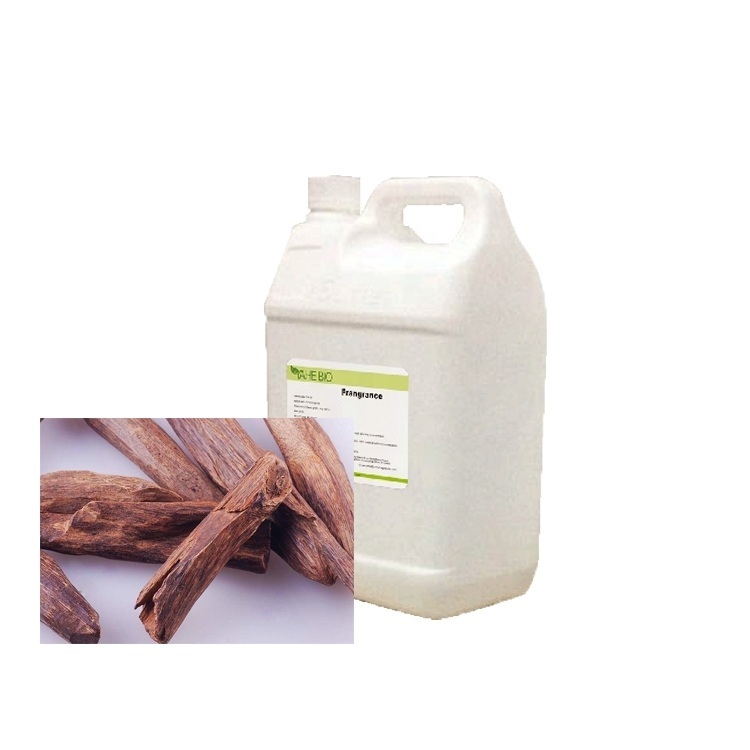
Compliance begins with paperwork. Brands must collect a defined document set from every fragrance supplier. The core set includes the IFRA Certificate, the safety data sheet, and a full allergen declaration. Each document must cover the specific oil shipped, not a generic product family. Luxury Oud Oil Blends often combine several natural materials, so the file must trace every component back to a named source. The allergen declaration matters twice. It supports the safety review, and it feeds the ingredient labeling on the finished pack.
Document management deserves a system, not a folder. A simple register works well. It lists each oil, its supplier, the certificate issue date, and the product categories covered. Brands review the register at each reformulation and each supplier change. Missing or outdated certificates block batch release until the supplier resolves the gap.
Testing follows documentation. A clear workflow keeps the process efficient:
Map the restricted ingredients named on each certificate, including sensitizers and phototoxic compounds.
Commission testing at three trigger points: supplier qualification, each new batch of a natural oil, and any formula change.
Compare the reported concentration of each restricted substance against the certificate limit for the intended product category.
Record the outcome and release or hold the batch.
Interpretation stays straightforward. A result below the limit clears the batch. A result above it triggers reformulation. Brands should also check the combined contribution of ingredients that share a restriction, since several oils in one blend can each add a small amount.
A blend that exceeds a limit rarely needs a full redesign. Formulators have several levers. They can lower the concentration of the offending oil and compensate with supporting notes. They can replace a restricted natural material with a compliant accord of similar character. They can also move the product into a category with a higher allowance, when the application permits. Each change requires a fresh test, so brands should adjust one variable at a time and track the result.
Supplier choice simplifies this work considerably. Yahebio supplies compliant Original Agarwood Fragrance Oil and Saffron Amber Fragrance Oil as reference options. Both arrive with current documentation, so a brand can benchmark its own blend against a known-compliant standard. The comparison shows quickly whether reformulation is needed and how far the formula must move. Reference oils also shorten development cycles, because the formulator starts from a documented baseline instead of an unknown one.
Original Agarwood Fragrance Oil carries a distinct sensitizer profile. Natural agarwood contains aroma compounds that can trigger skin reactions in sensitive users. Brands must identify each declared allergen on the supplier's documentation and calculate its concentration in the finished formula. The label then lists every allergen above the regulatory declaration threshold. This step protects consumers and satisfies labeling law at the same time. A missing declaration creates both a safety gap and a compliance failure.
Allergen management starts at the supplier stage. A complete allergen declaration lets the formulator model the finished concentration before the first batch. Luxury Oud Oil Blends often combine several natural materials, so allergens accumulate across components. A blend can pass each oil's individual limit and still exceed the combined threshold. Brands should total the contribution from every component and check the sum against the declaration requirement. Regular review of supplier declarations keeps the label accurate as formulas evolve.
Saffron Amber Fragrance Oil blends face stability risks over time. Natural materials oxidize when exposed to air, light, and heat. Oxidation changes the scent profile and can raise the sensitizing potential of the oil. Brands should store concentrates in sealed, opaque containers under cool conditions and track shelf life from the date of manufacture. Accelerated aging tests reveal how a formula behaves before it reaches the market, and they flag batches that need closer monitoring.
Purity checks support stability. Each incoming batch should carry a certificate of analysis that confirms identity and flags contaminants. Yahebio supplies both reference oils with current documentation, which gives brands a documented baseline for comparison. A simple storage and testing routine keeps Saffron Amber Fragrance Oil blends within specification through their intended shelf life. Brands that log storage conditions and test dates build a defensible record for any future audit.
Natural oud accords deliver the depth and complexity that Luxury Oud Oil Blends are known for. Their batch-to-batch variation, however, complicates formulation. Reconstituted oud accords offer a consistent scent profile and predictable behavior in the finished product. They suit brands that need repeatable output across large production runs. Natural accords fit small-batch and prestige lines, where subtle variation reads as character rather than defect.
Supplier-certified testing and in-house testing serve different needs. A supplier certificate covers the oil as shipped and supports fast onboarding. In-house testing gives the brand direct control over the batch it actually uses. Many brands combine both approaches: certificates for routine batches, in-house checks for new suppliers and formula changes.
|
Approach |
Performance |
Application Fit |
Compliance |
Cost |
|---|---|---|---|---|
|
Natural oud accord |
Rich, variable |
Prestige and small batches |
Needs full component review |
Higher, variable |
|
Reconstituted accord |
Consistent, predictable |
Large runs, tight specs |
Simpler documentation |
Lower, stable |
|
Supplier-certified testing |
Depends on supplier |
Fast onboarding |
Strong, if documents are current |
Included in supply |
|
In-house testing |
Brand-controlled |
New suppliers, reformulations |
Strong, requires capability |
Ongoing lab spend |
Each option carries a distinct cost profile. Natural materials cost more and demand more testing, yet they support premium pricing. Reconstituted accords lower material and testing spend, which helps brands compete on volume. Supplier certification shifts testing cost into the supply chain. In-house testing adds lab expense but reduces dependence on supplier timelines.
No single option wins on every measure. A prestige house may accept higher cost for natural character. A volume brand may prefer reconstituted accords for consistency. Yahebio supports both paths by supplying reference oils with current documentation, which lets brands benchmark cost and compliance side by side before committing.
A repeatable workflow turns compliance from a scramble into a routine. The sequence below carries a fragrance from supplier onboarding through batch release.
Qualify the supplier. Request the IFRA Certificate, safety data sheet, allergen declaration, and certificate of analysis for the specific oil. Confirm that each document names the shipped material and covers the intended product category.
Register the documents. Log the oil, supplier, certificate issue date, and covered categories in a central register. Flag any gap before the first sample order.
Screen the formula. Map every restricted ingredient across all components of the blend. Total the combined contribution of ingredients that share a restriction.
Test at the trigger points. Commission testing at supplier qualification, at each new natural batch, and at every formula change.
Compare and decide. Check each reported concentration against the certificate limit for the target category. Release the batch when results sit below the limit. Hold and reformulate when they do not.
Release with records. File the test result, the certificate version, and the approval signature against the batch number.
Yahebio supports this workflow at the first step. Its Original Agarwood Fragrance Oil and Saffron Amber Fragrance Oil arrive with current documentation, so a brand can onboard a qualified supplier without chasing missing paperwork. The register then starts from a complete file rather than a partial one.
IFRA standards evolve. The organization issues amendments and updates on a rolling basis, and a certificate that cleared a batch last year may no longer reflect current limits. Brands need a monitoring habit, not a one-time check.
Assign one person to track IFRA announcements and supplier notifications. That owner reviews the document register on a fixed schedule and after every amendment. Each review confirms three things: the certificate version is current, the covered categories still match the product line, and the allergen declaration reflects the latest supplier data. Any change to a restricted limit triggers a formula review, and a formula review triggers fresh testing.
A certificate is a snapshot, not a permanent clearance. Treat every amendment as a prompt to re-verify the file.
Supplier relationships carry much of this burden. A supplier that issues updated certificates promptly removes weeks of uncertainty from the brand's calendar. Yahebio maintains current documentation for its reference oils, which gives brands a dependable benchmark when standards shift. Luxury Oud Oil Blends benefit most from this discipline, because their natural components vary and their restricted compounds sit close to the limits.
Documentation discipline also protects the brand at audit. A complete, dated record shows that the brand monitored the standards and acted on changes. That record supports both regulatory confidence and customer trust.
Compliance rests on four actions. Brands secure complete ingredient documentation, run targeted safety testing, reformulate where limits demand it, and monitor standards on an ongoing basis. A structured, proactive approach makes IFRA compliance achievable for Luxury Oud Oil Blends without sacrificing quality or cost-effectiveness.
Brands should treat compliance as part of product development, not an afterthought. Partners like Yahebio support this journey with compliant Original Agarwood Fragrance Oil and Saffron Amber Fragrance Oil options. Fragrance regulations will keep evolving. Brands that stay informed and prepared protect both their formulas and their reputation.
A brand should request four documents for the specific oil shipped: the IFRA Certificate, the safety data sheet, a full allergen declaration, and a certificate of analysis. Each document must name the shipped material and cover the intended product category. Missing or outdated paperwork blocks batch release.
Testing belongs at three trigger points: supplier qualification, each new batch of a natural oil, and every formula change. Natural materials vary between batches, so Luxury Oud Oil Blends rarely qualify on a single test result. A reformulation always requires a fresh test before release.
The formulator can lower the concentration of the offending oil, replace a restricted natural material with a compliant accord, or move the product into a category with a higher allowance. Brands should adjust one variable at a time and retest after each change.
Natural oils such as Original Agarwood Fragrance Oil contain several declared allergens at once. Each one accumulates across the components of a blend. A formula can pass every individual oil limit and still exceed the combined declaration threshold, so brands must total the contribution from every component.
Natural materials oxidize when exposed to air, light, and heat. Brands should store concentrates in sealed, opaque containers under cool conditions and track shelf life from the date of manufacture. Accelerated aging tests reveal how a formula behaves before it reaches the market.







 ONLINE
 13923210784

