
 CategoriesHot Products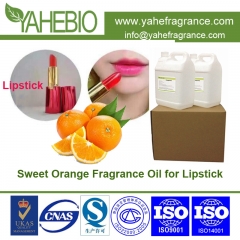
Food grade; Pure and Nature sweet orange flavor profile; Hight quality and favorable factory price. Dosage for lipstick: 0.5-3%.
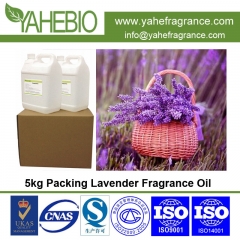
Long lasting; 16 years manufacturer of flavor and fragrance with ISO9001, ISO14001, ISO22000 Certificates; Pure and natural lavender profile; Hight quality and favorable factory price. Dosage for laundry: 0.2-0.5%
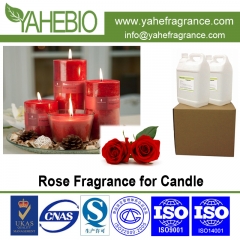
Natural and pure rose aroma, special used in candle application
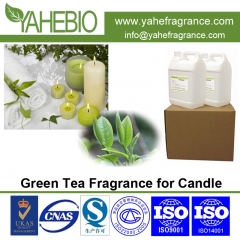
Strong green tea aroma profile, used in candle application.
tags
The best fragrance oil for women's perfume depends on your favorite scent family and how it works with your skin. Floral oils feel romantic and elegant. Fruity oils bring fun and energy. Gourmand oils wrap you in cozy warmth. Each scent family acts differently on different people. Skin chemistry changes everything. A scent that smells sweet on your friend may turn sharp on you. So testing is important. You will learn to judge oil quality, test a scent on your skin, and make it last all day. Yahebio provides premium choices, including Perfume Oil Lychee Perfume Fragrance Oil and Brand-style rose fragrance oil.
Choose floral scents for romantic moments. Choose fruity scents for playful energy. Choose gourmand scents for cozy warmth.
Test one perfume oil on your skin. Wait 30 minutes for the final stage. Skin chemistry changes each scent.
Choose safe, high-quality perfume oils. Use gentle carriers like jojoba. Check the oil concentration before buying.
Apply perfume oil to pulse points. Do not rub wrists together. Moisturize skin first. Store bottles away from light.
Perfume oils last six to twelve hours. They stay close to the skin. You use less product. Reapply less often.
Every fragrance oil for women's perfume fits into a scent family. This family decides how the oil starts, how it grows on your skin, and how it fades away. Two words can help you shop. Sillage means the trail a scent leaves behind you. Drydown means the last stage, when the base notes settle and the real character shows up.
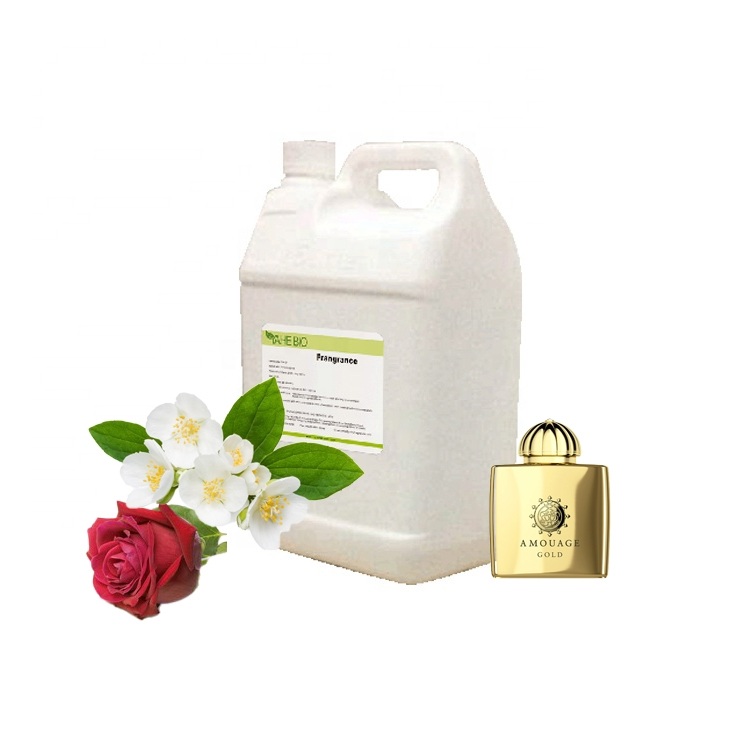
Floral oils smell like freshly cut flowers with a soft, powdery feel. Rose, jasmine, and orange blossom make up the classic base. Yahebio's Brand-style rose fragrance oil is a great example of this style. Floral oils break into subfamilies, and each one feels different on your skin.
|
Floral Subfamily |
Defining Scent Characteristics |
|---|---|
|
Soft Florals |
Delicate, powdery, soft-focus, quietly nostalgic, with a whisper of grace |
|
Floral Green |
Pairs petals with greenery, bringing crisp freshness to a classic bouquet |
|
Floral Aldehydic |
Effervescent, polished, airy, abstract, subtly soapy, with refined retro charm |
Rose and jasmine work as heart notes. They hold the main character of the blend and link the bright opening to the deeper base. These strong floral oils open within 10 to 30 minutes and can last 2 to 4 hours.
Best for: romantic evenings, weddings, and anyone who wants timeless elegance.
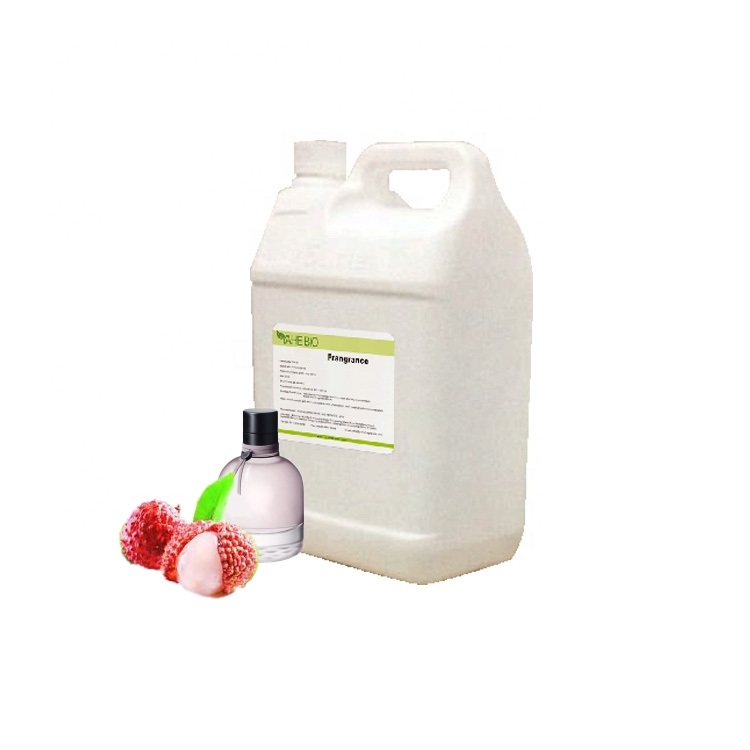
Fruity oils pop with juicy, bright energy. Bergamot, peach, raspberry, and lychee lead this family. Bergamot starts many blends with a sparkling citrus lift. Peach and raspberry add a soft, sweet fleshiness. Lychee brings a rosy, tropical sweetness that feels fresh instead of heavy. Perfume Oil Lychee Perfume Fragrance Oil captures this juicy character well. Fruity notes usually sit in the top and heart layers. They make the first impression and draw you in before the base arrives. Popular blends pair bergamot with lychee in the opening, or peach with raspberry for a candy-like lift.
Best for: daytime wear, warm weather, and a cheerful, youthful mood.
Gourmand oils smell edible and dessert-inspired. Vanilla, caramel, and cocoa define this family, and vanilla-based oils stay the classic warm choice. The structure follows a clear path. Sweet top notes like fruity cherry or citrus open the scent. Warm heart notes such as chocolate, caramel, praline, or honey come next. Base notes like vanilla, tonka bean, coconut, or musk settle in for lasting depth. Modern gourmands also explore nutty, spicy, and savory touches, including roasted almonds and warm spices. This family feels rich and comforting on cool days.
Best for: fall and winter, cozy nights in, and anyone who loves a sweet, warm signature.
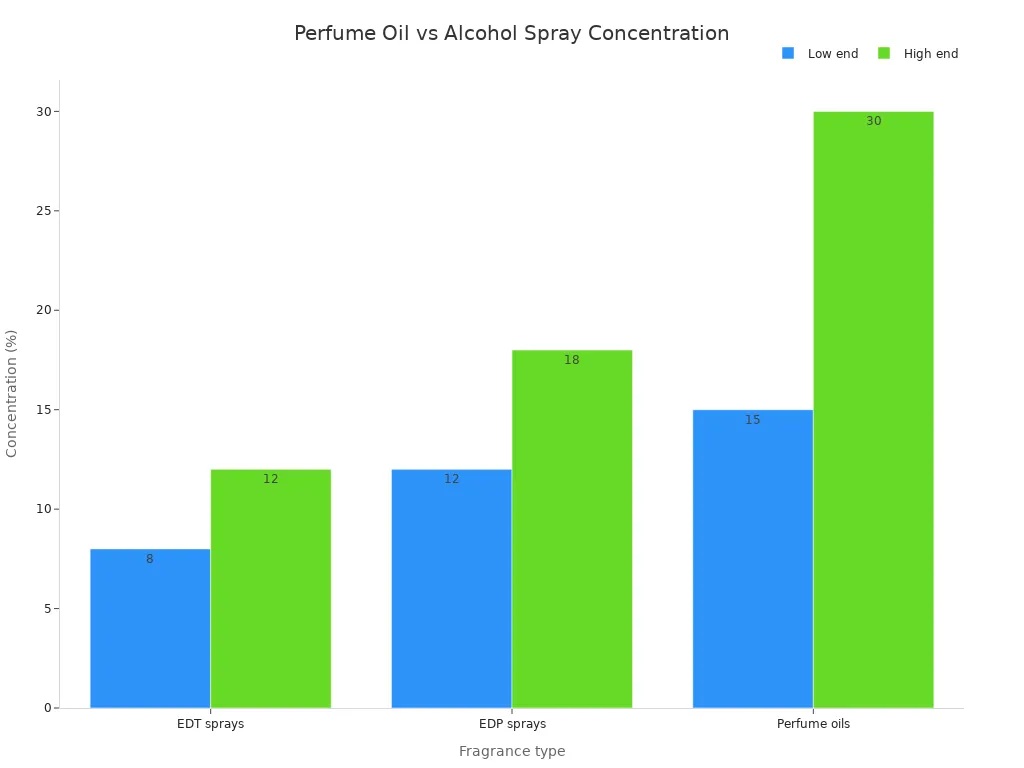
Perfume oils last longer and are more concentrated than alcohol sprays. Oil-based formulas often have more fragrance than spray perfumes, but they act differently on your skin. A 15% oil can feel stronger than a 15% spray. Alcohol spreads scent quickly, while oil sticks to your skin's lipids and releases slowly. You get 6 to 12 hours of wear from oils, compared to 2 to 4 hours from typical sprays. The scent stays close and subtle. It does not fly into the air. You need less product, and you reapply less often.
You cannot measure sillage with a stopwatch or ruler. You judge it by how you perceive it. Apply the fragrance oil for women's perfume to a test strip or pulse point. Walk away. Notice whether the scent trail stays in the air. Higher oil concentrations and heavy base notes tend to leave a stronger trail. How you apply it and your skin chemistry also affect how the scent spreads.
Your skin type changes everything. Oily skin holds fragrance molecules and slows evaporation. The scent becomes richer, more intense, and longer-lasting. Dry skin lacks binding lipids, so perfume evaporates quickly and fades within a few hours. High pH skin changes how notes develop and brings out sharper citrus or soapy musks. Low pH skin keeps fragrance molecules stable for smoother, sweeter, or deeper notes. High body temperature speeds up evaporation, which means stronger projection and faster fade. A case study described a 32-year-old office worker who extended her perfume's longevity from 1.5 hours to nearly 6 hours by switching from a Vitamin C serum to a pH-balanced moisturizer.
For dry skin, applying a pH-balanced moisturizer before spraying perfume can noticeably extend wear time. If skin tends to run warmer, choosing higher-concentration fragrances such as Eau de Parfum (15–20% oil) can help counteract quicker evaporation compared to lighter options like Eau de Toilette (5–15% oil).
The 30/50/20 rule gives you a starting formula for blending fragrance oils. Use 30% top notes, 50% middle notes, and 20% base notes. In a 20-drop test, this equals 6 drops of top note, 10 drops of middle note, and 4 drops of base note. Top notes like lemon or peppermint give fresh lift and sparkle. They fade quickly. Middle notes like lavender or geranium form the heart and provide balance. Base notes like sandalwood or patchouli add warmth, depth, and lasting power. If a base oil is very strong, such as vanilla, tobacco, musk, or smoky woods, you can reduce it to 10-15% instead of 20%. Amber, oud, and musk blends suit women seeking quiet confidence and charm.
Quality checks matter. Look for IFRA-certified oils. IFRA is the International Fragrance Association, which publishes the IFRA Standards. These standards set safe-use limits for individual fragrance ingredients based on scientific review. Fragrance suppliers issue an IFRA certificate for each oil showing those limits by application. The maximum usage level is the highest concentration of a fragrance oil, by weight, considered safe in a finished product for a given application. Limits track skin and mucous-membrane exposure. A candle usually carries the highest limit or none, while a lip product carries the strictest limit. Soap and leave-on lotion fall in between. Going over a fragrance's IFRA maximum usage level in a skin-applied product can cause irritation or sensitization.
Check for perfume-grade oils and the carrier oil type. Jojoba, coconut, argan, and almond oils are common carriers. They moisturize and stay gentle on sensitive skin. Yahebio offers premium options like Perfume Oil Lychee Perfume Fragrance Oil and Brand-style rose fragrance oil. Body chemistry alters scent over time, so concentration and ingredients matter. The IFRA maximum is a safety ceiling, not a recipe. How much fragrance a product actually needs comes from the base material's recommended fragrance load.
Test only one oil at a time. That gives you a clean result. If you test two or more scents together, they mix on your skin. Then you cannot tell which oil caused a reaction or which one you really like. Put a small drop on your inner wrist or the crook of your elbow. Start on your body, not your face. Facial skin is the most reactive and visible area. Broken, sunburned, or freshly exfoliated skin can react to almost anything. This can create a false positive that wrongly condemns a good product. A patch test on damaged skin tells you nothing useful.
People often make avoidable mistakes when patch testing. The table below lists the most common mistakes and why each one ruins your results.
|
Mistake |
Why It's a Problem |
|---|---|
|
Testing perfume on broken or sunburned skin |
Damaged skin reacts to almost anything, causing a false positive |
|
Testing on your face first |
Facial skin is the most reactive and visible area |
|
Stopping after only one day |
Most allergic reactions show on day 2 or 3 |
|
Testing several products at once |
A reaction gives you no clear answer |
|
Not doing a repeat application |
Some reactions only show after a second exposure |
|
Thinking "natural" means safe |
Essential oils like tea tree and ylang-ylang are known allergens |
|
Ignoring late reactions |
Redness on day 3 or 4 still counts as a positive result |
The truth about any fragrance oil for women's perfume comes out if you are patient. Perfumers advise against judging a fragrance right after you put it on. Wait at least 30 minutes for the drydown to develop. The base notes from this stage are what you smell all day.Perfumers advise against judging a fragrance from its first spray. Instead, you should allow at least 30 minutes for the dry-down to develop. The base notes that appear in this stage are what the wearer will actually experience throughout the day.
The drydown is the final stage of a perfume. Heart notes fade, and base notes stay on your skin. It shows the true character of a scent, which can differ quite a bit from the opening. Base notes take over during this phase and can last for many hours.
Base notes hold a fragrance together and last longest. They include woody, musky, and resinous elements.
A fragrance reaches its deepest expression during the drydown.
How base notes develop depends on your skin, oil strength, how you apply it, and the surroundings.
Watching the drydown helps you tell a quick first impression from a lasting connection with the scent.
Common base notes are oud, sandalwood, vanilla, amber, musk, vetiver, and patchouli. These heavier molecules evaporate slowly. That is why the drydown shows depth, warmth, and long-lasting performance. Waiting for the drydown matters. Judging a perfume only by top notes misses the true base-note character. Fragrance community reviews can help you find high-quality oils. Expert picks like The 7 Virtues Lotus Pear Perfume Oil and Nest New York Perfume Oil Collection can serve as useful reference points, but they are not endorsements.
Pulse points are the warmest spots on your body. Heat rises from these areas and lifts the scent into the air around you. Apply your fragrance oil for women's perfume to your inner wrists, the base of your throat, behind your ears, and the inside of your elbows. Two or three well-chosen spots are enough. The wrists and throat work best as starting points. If you wear dresses or shorts, the area behind your knees also carries scent upward with your body heat and movement.
Never rub your wrists together after you apply. This is the most common mistake with perfume oil. Rubbing feels natural, but the friction breaks down fragrance molecules and disrupts the delicate top notes. Press or dab the oil into your skin instead. Let it sink in on its own. The warmth of your pulse points will activate the scent naturally.
Avoid rubbing the oil into the skin, as this can break down its molecular structure, diminishing the scent's integrity.
Hydrated skin holds scent far better than dry skin. Dry skin lacks the lipids that grip fragrance molecules, so the scent evaporates quickly. Apply an unscented lotion or body oil right after you shower, while your skin is still warm and damp. This gives the fragrance something to cling to and can extend its projection.
A well-moisturised base helps fragrance last longer and sit more comfortably, so start with a quality unscented moisturiser. It gives the scent something to grip and can extend its projection.
Storage matters just as much as application. Light breaks down scent molecules and weakens the fragrance. Heat and temperature swings alter the scent and can cause discoloration. Keep your bottles in a dark, cool place like a closet shelf or dresser drawer. Aim for a stable temperature between 60 and 75°F. Amber or cobalt glass bottles block UV rays best. With optimal storage, your oil can last two to three years. The best oil for you still comes down to personal preference, the occasion, and your mood.
Floral scents feel romantic and elegant. Fruity scents bring a playful, fun energy. Gourmand scents wrap you in cozy warmth. Each family gives you a different mood. When you pick a fragrance oil for women's perfume, check how long it lasts, its sillage, your skin chemistry, concentration, and quality. Test each oil on your skin first. Wait for the drydown before you decide. Yahebio has premium choices like Perfume Oil Lychee Perfume Fragrance Oil and Brand-style rose fragrance oil. These oils give you a solid place to start. Find your scent personality, test it on your skin, and pick the oil that makes you feel confident.
Oil-based formulas typically last 6 to 12 hours. Dry skin fades faster, sometimes within a few hours. Oily skin holds scent longer. You can extend wear by moisturizing first and applying to pulse points. Yahebio's concentrated oils give you a strong starting point for all-day wear.
Yes, with care. Choose perfume-grade oils with gentle carriers like jojoba or almond oil. Avoid known allergens such as tea tree and ylang-ylang. Always patch test on your inner wrist first. Wait two to three days before deciding. IFRA-certified oils show safe-use limits for skin application.
Fruity scents suit daytime and warm weather. Floral oils fit romantic occasions and weddings. Gourmand scents shine on cool days and cozy nights. Your mood and the setting matter most. Perfume Oil Lychee Perfume Fragrance Oil offers a fresh, playful option for daily use.
They can, but they behave differently. Oils sit close to your skin and release slowly. Sprays project farther into the air. Oils often last longer and need less product. If you want a subtle, personal scent trail, an oil works well. Brand-style rose fragrance oil gives you that intimate floral character.
Keep bottles in a dark, cool place like a drawer or closet shelf. Aim for a stable temperature between 60 and 75°F. Light and heat break down scent molecules. Amber or cobalt glass blocks UV rays best. Proper storage keeps your oil fresh for two to three years.






 ONLINE
 13923210784
